 ×
×
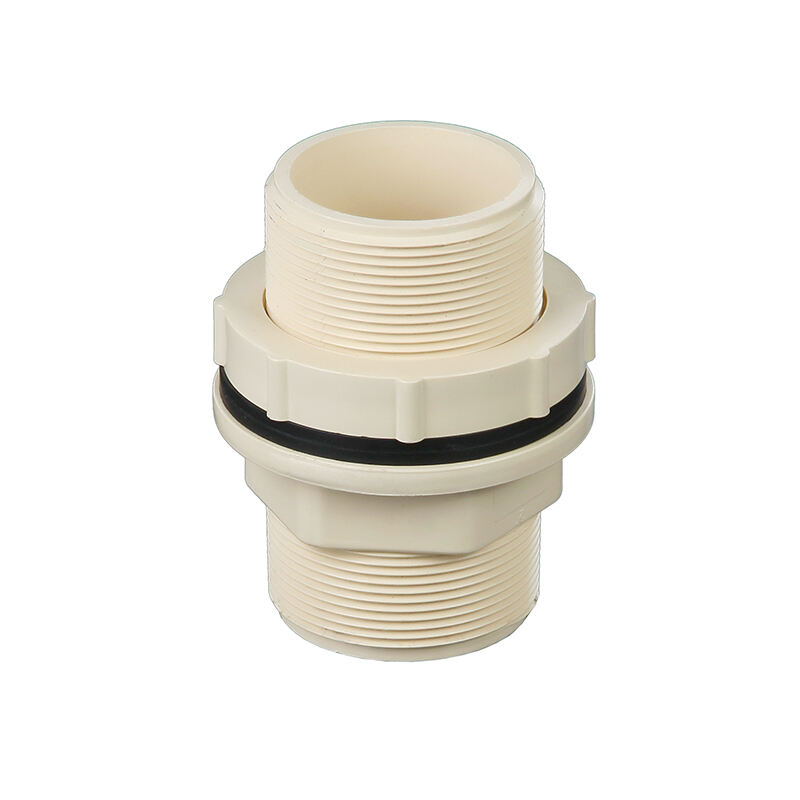
A Pretty Stinking Peculiar– a PVC nipple is a small piece that looks like a tube, made from a type of plastic called PVC. It is commonly used to attach various fittings together in plumbing. PVC nipples are found in all sorts of sizes and shapes to meet the requirements of different jobs, and this type of tubing has some advantages, as well as some disadvantages, that you should be aware of.
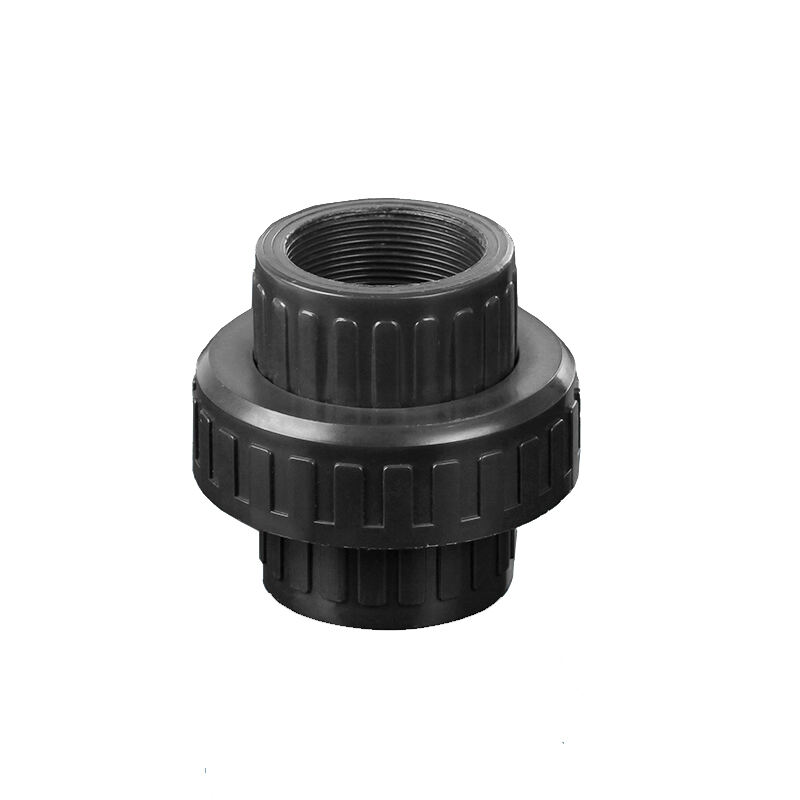
A PVC nipple is just a short piece of pipe, typically 1/2 inch to about 4 inches long. On both edges, it has threads — little ridges that allow it to connect to other pieces. One side has a lacy things that is refers as male threads and on the opposite side female threads. It has a special design that allows you to screw it onto other PVC pipes or parts easily. PVC Nipples can be used to connect two pipes together, extend a pipe when necessary, or connect a pipe to something such as a faucet or a fixture.
You also need to know what kind of PVC nipple to purchase. Nipples come in various types like schedule 40 and schedule 80 nipples. Schedule 40 Nipples are for low-pressure jobs, if they're low-pressure, then great! At the same time, schedule 80 nipples are more potent and suitable for higher pressure operations. Selecting the correct type can help avoid trouble down the road, so it’s worth spending some time making the right decision.
There are quite a few positives to using PVC nipples. This has a number of advantages, but one in particular: they are extremely light and therefore well-suited to be worked with. They do not rust like some metal parts do, and they last a long time without requiring much maintenance. PVC nipples are also cheap and widely available in many stores, so they are often used for pipework of all kinds.
But there are also disadvantages of PVC nipples. They are not as strong as other materials, such as metal, so they cannot withstand high pressure. If too much pressure is used, these can crack or snap, leading to leaks that can create big problems for your plumbing system. PVC can turn brittle in time, especially when subjected to long periods of sun, which can create further issues.
When tightening the nipples, you should use a wrench or pliers but do not overtighten them. These should not be tightened too tight or else they damage the threads and lead to leaks. Even after installation, you should make a habit of periodically inspecting your PVC nipples to confirm that they haven’t cracked or become damaged over time. Regular checks can spot issues before they become end up in big trouble.
Nor is it that PVC nipples never develop problems. One of the most common problems is that they can crack or break under too much stress or pressure. When this happens, it can cause leaks that can get messy and lead to water damage if not addressed quickly. There are also instances where dirt, debris, or sediments can clog PVC nipples over time. This can constrict flow of water and create other plumbing complications that may interfere with your system’s efficiency.
With dozens of state-of-the-art production machines at our disposal, we're able to keep production cycles short. No more long waits! Get your orders filled promptly and start satisfying your customers faster.
Being a self-producing factory, we cut out the middlemen. That means you get direct access to factory prices, making our faucets some of the most competitively priced in the market without sacrificing an ounce of quality.
As a leading manufacturer, we offer top-notch OEM and ODM services. Whether you've got a unique design in mind or want to put your brand logo on high-quality faucets, we've got the expertise to bring your vision to life.
Our finger is always on the pulse of the global market. We attend over 5 international building materials expos across the globe each year. This insider knowledge allows us to anticipate trends and offer you the latest, most in-demand faucet styles.

 EN
EN