
 EN



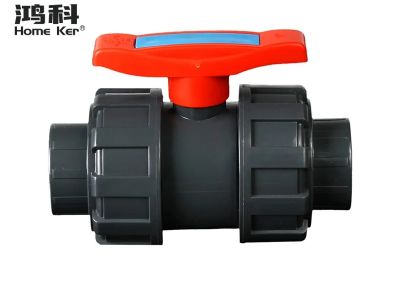
PVC ball valves are an important choice for controlling the flow of liquids and gases, especially when dealing with corrosive materials. HONGKE specializes in making PVC ball valves that are tough and reliable. These valves help to prevent leaks and damage that can happen when corrosive substances come into contact with other materials. Choosing the right valve is key to ensuring safety and efficiency in various applications.
What Makes PVC Ball Valves Ideal for Corrosive Environments?
PVC ball valves are great for corrosive environments because PVC, or polyvinyl chloride, is resistant to many harmful chemicals. Unlike metal valves, which can rust or corrode when exposed to acids or salts, PVC remains strong and durable. This means that when you use HONGKE PVC ball valves, you don’t have to worry about them breaking down over time. They can handle a wide range of temperatures too. For instance, if you are working with a chemical that gets very hot, these valves can still function well without melting or deforming.
Another reason PVC ball valves are a good choice is their lightweight nature. This makes them easier to install and maintain. You don’t need heavy machinery to lift them, which saves time and effort. Many industries, such as agriculture and water treatment, benefit from using these valves. They can control the flow of fertilizers, acids, or other harsh substances safely.
HONGKE also designs these valves to be user-friendly. The easy-to-turn handle allows for quick adjustments, so you can stop or start the flow of liquid when needed. This feature is especially helpful in emergency situations. Overall, PVC ball valves from HONGKE provide a reliable solution for handling corrosive materials without the risks that come with other types of valves.
How to Select PVC Ball Valves for Chemical Resistance and Durability?
When choosing PVC ball valves, it's important to think about the specific chemicals you will use them with. Different substances can react differently with PVC. HONGKE recommends checking the chemical compatibility of the valve with the liquid or gas you plan to work with. For example, strong acids might require a special type of PVC that offers even better resistance.
Another factor to consider is the pressure ratings of the valves. You need to know how much pressure the valve can handle without leaking or breaking. HONGKE provides detailed specifications for each valve, so you can make the right choice based on your needs. If you expect high pressure, look for valves rated for that level to ensure they’ll perform well.
Durability is also about how the valve is made. HONGKE focuses on quality during manufacturing, ensuring that every valve is built to last. It’s not just about the material; the design matters too. A well-designed valve will provide smooth operation and reduce wear over time.
Lastly, consider the size of the valve. Make sure to pick a size that fits your pipes and the amount of fluid you need to control. Using the right size helps maintain efficiency and prevents leaks. HONGKE offers various sizes to fit different applications, making it easier for you to find the perfect match. With these tips, you can confidently select the right PVC ball valves for your corrosive media applications.
Best Options for Corrosive Media Applications
When it comes to using valves in places where the liquids are strong and can cause damage, choosing the right kind of valve is very important. One good choice is a PVC ball valve. PVC stands for polyvinyl chloride, which is a type of plastic that can handle certain harsh chemicals better than metal valves. HONGKE offers high-quality PVC ball valves that are designed for corrosive media applications. These valves work well because they resist rust and corrosion, which means they last longer and need less maintenance. They are also lightweight, making them easier to install and move around.
When you are looking for PVC ball valves, you should check the specifications. Make sure the valve is made from high-quality PVC that can resist the chemicals it will be near. HONGKE provides a range of valves made to withstand different types of corrosive media. It is also important to consider the size and pressure ratings of the valves to ensure they fit perfectly in your system and can handle the pressure of the fluids passing through them. Choosing the right size helps prevent leaks and ensures the system works smoothly.
In summary, HONGKE's upvc ball valve are excellent options for applications involving corrosive materials. They offer reliability, durability, and ease of use. Always make sure to select the correct type and size for your specific needs to ensure the best performance.
Common Usage Issues with PVC Ball Valves in Corrosive Applications
While PVC ball valves are great for many situations, there can be some problems when they are used with corrosive materials. One common issue is that certain strong chemicals can weaken the PVC over time. When this happens, the valve may not close properly, which can cause leaks. It is important to know what types of chemicals your valve will handle. HONGKE provides clear information on the chemical compatibility of their valves, so you can choose the right one for your needs.
Another issue can arise with temperature. If the fluid flowing through the valve is too hot or too cold, it can affect the valve's performance. PVC has a limit on how much heat it can take before it becomes soft and can warp. If you use HONGKE’s 1 1 2 pvc ball valve in extreme temperatures, it’s essential to check if they are rated for those conditions. You should also look out for physical damage. If the valve is dropped or hit, it can crack, and this could lead to leaks when using corrosive materials.
In summary, while HONGKE’s PVC ball valves are effective for corrosive applications, you must be aware of the potential issues. Always check the chemical compatibility and make sure you are using the valve within the right temperature range. By doing this, you can help avoid problems and ensure that your system works well.
How to Ensure Optimal Performance of PVC Ball Valves in Harsh Conditions?
To make sure your PVC ball valves work well in tough situations, there are some steps you can follow. First, regular inspection is key. Check your HONGKE valves often to look for any signs of wear or damage. If you see cracks or leaks, it’s best to replace the valve before it causes bigger problems. Keeping the valves clean is also important. Build-up of dirt or chemicals can affect how well the valve opens and closes. Cleaning the valves regularly can help them perform better and last longer.
Another important step is to install the valves correctly. Make sure that when you put in HONGKE’s PVC ball valves, they are fitted properly without any extra stress on the pipes. If the pipes are too tight or not aligned right, it can cause the valve to malfunction. Always follow the installation guide that comes with the valve to avoid making mistakes.
Lastly, consider using protective measures like insulation. If your valves are exposed to extreme temperatures, covering them with insulation can help protect them from heat and cold. This can prevent damage and help the valves work better over time.
By following these steps, you can ensure that your pvc ball valve from HONGKE will perform well even in harsh conditions. Taking care of your valves will save you time and money in the long run, keeping your system running smoothly.
Table of Contents
- What Makes PVC Ball Valves Ideal for Corrosive Environments?
- How to Select PVC Ball Valves for Chemical Resistance and Durability?
- Best Options for Corrosive Media Applications
- Common Usage Issues with PVC Ball Valves in Corrosive Applications
- How to Ensure Optimal Performance of PVC Ball Valves in Harsh Conditions?