
 EN



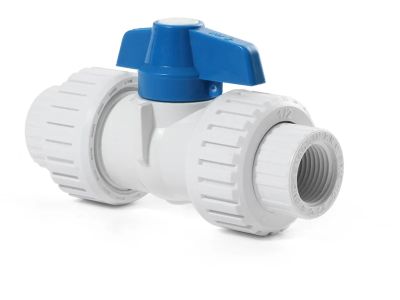
Installing PVC ball valves can be easy if you follow the right steps. HONGKE makes quality PVC ball valves that are used in many projects. Whether you're a contractor or an engineer, knowing how to install these valves correctly is important. This article will give you useful tips and a clear guide to help you with your installation.
A Step-by-Step Guide
First, start by gathering all the tools you need. You will need a measuring tape, pipe cutter, wrench, and some Teflon tape. Before you begin, make sure the area where you will work is clean and has enough space to move around. Measure the pipe where the valve will go. Cut the pipe carefully using the pipe cutter. It’s important to make a clean cut to avoid leaks later. After cutting, smooth the edges with sandpaper. This helps the valve fit better.
Now, apply Teflon tape on the threads of the valve. This tape helps seal the connection and prevents leaks. Next, take the PVC ball valve and attach it to the pipe. Use your wrench to tighten the connection but be careful not to over-tighten it. Over-tightening can crack the PVC. After everything is in place, it’s time to test the valve. Turn on the water slowly and check for leaks. If you see any water coming out, you may need to tighten the valve a bit more.
Lastly, once you are sure there are no leaks, clean up your workspace. Dispose of any leftover pieces properly. It’s always a good idea to keep your tools organized for the next job. Following these steps will help you install pvc ball valve successfully, ensuring your projects run smoothly.
What to Consider When Choosing PVC Ball Valves for Your Projects?
When picking PVC ball valves, there are many things to think about. First, check the size of the pipe you are using. The valve must fit perfectly with the pipe size to work well. If the valve is too big or too small, it can cause problems. HONGKE offers different sizes, so make sure to get the right one for your project.
Next, consider the pressure rating of the valve. Each valve can handle a certain amount of pressure. It's important to choose a valve that can manage the pressure in your system without breaking. If the pressure is too high, the valve might fail. You don’t want that to happen!
Another thing to look at is the temperature range. Some projects may have hot water or chemicals running through the pipes. HONGKE valves are made to withstand different temperatures. Make sure to check the specifications to find a valve that meets your needs.
Lastly, think about the type of connection. Some valves have glue fittings, while others have threaded connections. This can affect how you install them. Choose the one that works best for your project style. Remember, the right valve can make your project easier and more efficient. Always do your research and pick wisely!
What Are the Best Practices for Maintaining PVC Ball Valves?
Maintaining PVC ball valves is important to keep them working well for a long time. First, always check the valves regularly. Look for any leaks or signs of wear. If you see water around the valve or hear dripping sounds, it might need fixing. Using the right tools is also key. When you tighten or loosen a valve, use a wrench that fits well. This helps to avoid damaging the valve. Another good practice is to clean the valves. Dirt and dust can build up and make the valve less effective. Use a soft cloth and some water to wipe the outside. For the inside, if you notice blockages, it might be best to call a professional.
Also, remember to avoid using harsh chemicals near the valve. Some cleaning products can damage PVC. Instead, use gentle soap and water. Additionally, if you are in an area with extreme temperatures, consider insulating the valves. PVC can become brittle in cold weather or warp in very hot weather. Protecting them can help prevent these problems. Lastly, always keep the manufacturer's instructions handy. HONGKE provides great guidelines on how to maintain their valves properly. Following these tips will help you ensure that your 1 pvc ball valve work well and last a long time.
How to Troubleshoot Common PVC Ball Valve Issues During Installation?
Installing PVC ball valves can sometimes come with challenges. One common issue is that the valve may not close properly. If this happens, the first thing to check is if the valve is installed the right way. Make sure that the flow direction is correct. There are usually arrows on the valve body that show which way the water should flow. Another problem could be that the valve is leaking. This often happens if the connections are not tight enough. Use a wrench to make sure everything is snug but be careful not to over-tighten, as that can cause damage.
If you notice that the valve is hard to turn, it might be stuck because of debris inside. In this case, you can try to open and close the valve a few times. If that does not work, you may need to take it apart and clean it. Always turn off the water supply before doing any work. Sometimes, the valve can also get damaged during installation if it is dropped or bumped. If you see cracks or chips, it’s better to replace it rather than risk it failing later. HONGKE valves are designed to be durable, but even the best products can be damaged if not handled carefully.
Lastly, if you are unsure about anything, do not hesitate to ask for help. Whether it’s from a colleague or a HONGKE expert, getting advice can help you resolve issues quickly. Troubleshooting these common problems during installation will save time and ensure everything works smoothly.
What Makes PVC Ball Valves a Preferred Choice for Engineers?
PVC ball valves are a popular choice for engineers for many reasons. First, they are very lightweight. This makes them easy to handle and install, especially in large projects. Engineers often have to move many parts, and using lighter materials can make the job easier. Another reason is that PVC is resistant to corrosion. Unlike metal valves that can rust over time, PVC will not corrode. This means that they last longer and require less maintenance. Engineers appreciate this because it helps reduce costs in the long run.
Additionally, PVC ball valves can handle a wide range of temperatures and pressures. This versatility makes them suitable for many different applications, from water systems to chemical processing. Engineers can trust that PVC valves will work well in various environments. HONGKE provides high-quality PVC ball valves that meet strict standards, which is another reason engineers prefer them.
Moreover, pvc ball valve 1 2 inch are also cost-effective. They are usually less expensive than metal options, which is an important factor for many projects. Engineers need to stick to budgets, and using PVC valves helps them do that without sacrificing quality. Finally, the design of PVC ball valves allows for smooth flow. This means that fluid moves easily without much resistance, which is crucial for many systems. All these features make PVC ball valves a smart choice for engineers, and that’s why they are commonly used in many projects.