
 EN



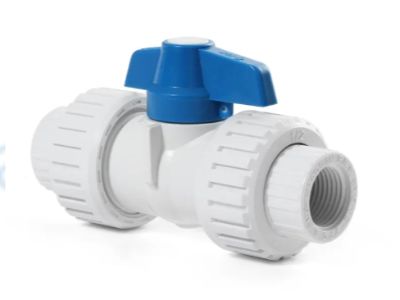
Maintaining PVC ball valves is important for anyone who uses them in industries. These valves are used to control the flow of liquids and gases. If they are not taken care of, they can break or not work properly. This can cause problems in production and lead to loss of time and money. HONGKE knows how crucial it is to keep these valves in great shape. With some simple maintenance tips, you can ensure your PVC ball valves last longer and work better.
How to Find High-Quality PVC Ball Valves for Wholesale
When looking for high-quality PVC ball valves, it is important to find a reliable source. HONGKE offers a variety of PVC ball valves suitable for wholesale purchases. Buying in bulk can save you money and ensure you have enough valves for your needs. You want to choose valves that are sturdy and made from good materials. It’s a good idea to ask for samples before you buy a large amount. This way, you can test them and make sure they fit your requirements. Make sure the company has a good reputation. You can check online reviews or ask other businesses for recommendations. If the valves are sold at a fair price but are still high quality, that’s a win-win. Also, pay attention to warranties. A company that stands behind its products will usually offer a warranty. This shows that they trust their own valves, and you can feel more secure in your purchase. HONGKE also provides excellent customer service. If you have questions or need help, you can reach out to their team. They can guide you in picking the right valves and answer any concerns you might have.
How to Clean and Inspect PVC Ball Valves
Cleaning and inspecting PVC ball valves is a key part of maintenance. Regular cleaning helps to remove dirt and debris that can cause blockages. Start by turning off the flow and releasing any pressure in the system. Then, use a soft cloth or sponge to wipe down the outside of the valve. For the inside, you can use warm soapy water. Make sure to rinse it well to remove any soap residue. For tough stains, a gentle brush can help. After cleaning, inspect the valve for any signs of wear and tear. Look for cracks, leaks, or any part that seems loose. If you find something that doesn’t look right, it might be time to replace that valve. Regular inspections can help catch small problems before they turn into big ones. It’s wise to keep a maintenance log. This way, you can track when the valves were cleaned or checked last. HONGKE recommends performing these checks every few months, but if your valves are used heavily, you might want to do it more often. By following these simple cleaning and inspection steps, you can keep your PVC ball valves running smoothly for a long time.
What Are the Best Practices for Storing PVC Ball Valves During Downtime?
When it comes to taking care of PVC ball valves, how you store them during downtime is very important. These valves are used in many industries, so keeping them in good shape is essential. First, it is important to clean the valves before storing them. Any dirt or leftover materials can cause problems later. Use water and a soft cloth to wipe them down. Make sure they are completely dry before putting them away. Storing them wet can lead to mold or damage.
Next, think about where you will keep the valves. Choose a clean, dry place that is not too hot or too cold. Extreme temperatures can harm the PVC material. A temperature between 50°F and 80°F is ideal. Also, keep the valves away from direct sunlight, as UV rays can weaken the PVC. Covering them with a cloth or placing them in a box can help protect them from dust and light.
It’s also a good idea to store the valves in an upright position. This helps prevent them from bending or getting damaged. If you have a lot of valves, organize them neatly. You can use shelves or bins to keep them sorted. Labeling the bins can help you find the right valve quickly when you need it again.
Finally, check on the valves every few months. Look for any signs of damage or wear. If you notice anything unusual, it’s better to fix it before you need to use the valve again. By following these steps, you can keep your PVC ball valve in great shape during downtime. HONGKE recommends these practices to ensure your valves are always ready for use.
How to Troubleshoot Common PVC Ball Valve Malfunctions Effectively
Sometimes, PVC ball valves may not work as they should. When this happens, it is important to know how to troubleshoot the problem. The first step is to identify the issue. Common problems include leaks, the valve not opening or closing properly, or strange noises when the valve is in use.
If you notice a leak, check the connections and seals first. Sometimes, a loose connection can cause a leak. Tighten any loose fittings. If the leak continues, inspect the O-ring or gasket. These parts can wear out over time. If they look damaged, replacing them can often solve the problem.
Next, if the valve isn’t opening or closing properly, check for any blockages. Sometimes debris can get stuck inside the valve. Take the valve apart carefully and clean out any obstructions. Make sure to follow safety procedures when doing this. After cleaning, reassemble the valve and test it again.
If you hear strange noises, such as rattling or banging, it could be due to water hammer. This happens when water moves too quickly through the pipes. To fix this, try slowing down the water flow. You can do this by adjusting the pressure or using a flow control valve. Always be careful when making these adjustments, as too much pressure can damage the valve.
By knowing these troubleshooting steps, you can handle many common issues with PVC ball valves. HONGKE encourages users to keep a close eye on their valves and address problems early to avoid bigger issues later on.
How to Ensure Compliance with Industry Standards for PVC Ball Valve Maintenance?
Maintaining plastic ball valve is not just about keeping them clean; it is also important to follow industry standards. These standards help ensure that the valves work safely and efficiently. The first step in ensuring compliance is to understand the specific regulations that apply to your industry. Different industries may have different requirements, so do your research.
Once you know the standards, create a maintenance schedule. Regular checks and maintenance are key to compliance. For example, you should inspect the valves at least once every few months. During these inspections, look for any signs of wear, leaks, or damage. Keeping detailed records of these inspections is also a good practice. This way, you can show that you are following the required maintenance schedule.
Training staff is another important part of ensuring compliance. Make sure that everyone who works with the valves understands how to maintain and operate them properly. HONGKE recommends holding regular training sessions to keep everyone updated on best practices and any changes in regulations.
Finally, stay informed about any changes in industry standards. Regulations can change, so it’s important to keep up to date. You can do this by joining industry groups or subscribing to relevant publications. This will help you ensure that your maintenance practices are always in line with the latest standards.
By following these steps, you can ensure that your PVC ball valves remain compliant with industry standards. HONGKE is here to support you in keeping your valves safe and effective for years to come.
Table of Contents
- How to Find High-Quality PVC Ball Valves for Wholesale
- How to Clean and Inspect PVC Ball Valves
- What Are the Best Practices for Storing PVC Ball Valves During Downtime?
- How to Troubleshoot Common PVC Ball Valve Malfunctions Effectively
- How to Ensure Compliance with Industry Standards for PVC Ball Valve Maintenance?